Lake St. Clair Sailing School sailing events
ASA 101 Flashcard Video | Lake St Clair Sailing School ASA 101 Flashcard Video ASA 101 Flashcard Study Video This page plays like a simple study video: each card appears, flips automatically to reveal the answer, then advances to the next card. You can also pause, flip manually, or step through the deck yourself. Created by Lake St Clair Sailing School Card 1 of 35 Sail Trim Autoplay On Front Sail Trim Question side Tap the card or use Flip Back Sail Trim Answer side Great for active recall review Previous Flip Pause Autoplay Next How It Works Each flashcard shows the prompt, flips to the answer, then advances automatically. It behaves like…
To maximize your vessel's visibility to other ships, follow this guide on how to properly install and position a radar reflector. Quick Summary For the best performance, hoist your reflector as high as possible—ideally above all other gear and at least 4 meters (13 feet) above the waterline. Use the "catch rain" orientation (top plates forming a 'V') to ensure the strongest signal return. Step-by-Step Installation Guide 1. Choose an Optimal Location Maximize Height: Height is critical for long-range detection. Positioning the reflector high up ensures it isn't blocked by the curvature of the earth or high waves. Avoid "Shadowing": If mounting on a spreader or backstay, ensure it is positioned far enough…
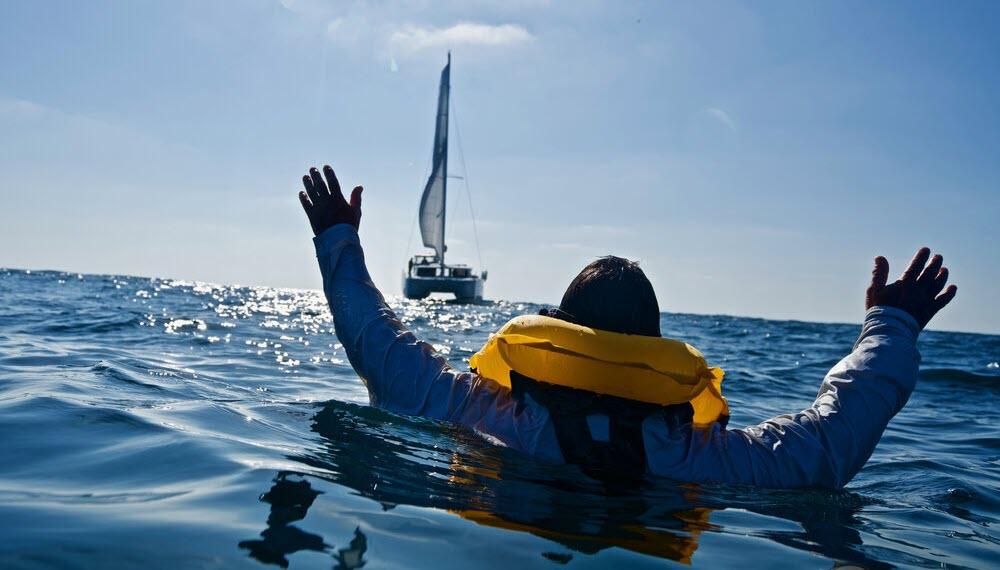
Essential Seamanship: A Guide to Safety, Maintenance, and Etiquette at Sea
Sunset Cruises in Michigan: Experience Golden Hour on Lake St. Clair Looking for the best sunset cruises in Michigan? Discover an unforgettable evening on the water with Lake St. Clair Sailing School, where breathtaking views, relaxation, and memorable moments come together aboard a spacious 30-foot sailboat. Sail Into the Golden Hour on Lake St. Clair There’s nothing quite like a Lake St. Clair sunset cruise. As the sun dips below the horizon, the sky transforms into a canvas of gold, orange, and deep blue—creating the perfect setting for a peaceful escape or a lively celebration. Whether you’re a local or visiting Southeast Michigan, this experience offers one of the most scenic and relaxing…
Sunset Cruise in michigan
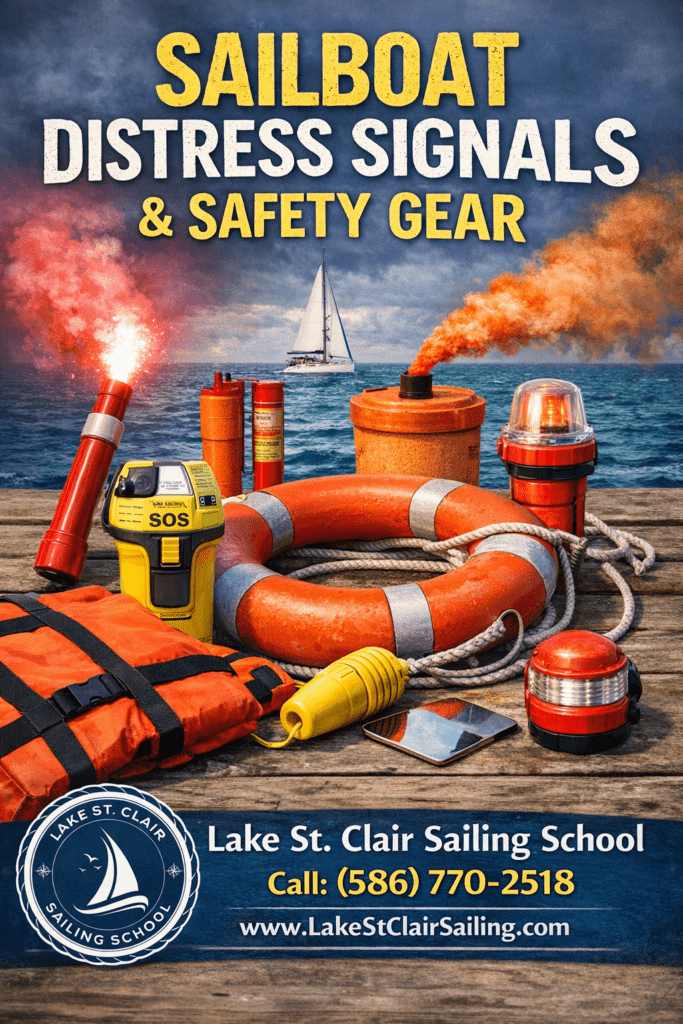
Required Sailboat Safety Equipment: Distress Signals and Life Jackets for Lake St. Clair Safety equipment isn't just a good idea when sailing—it's the law. Whether you're learning to sail on Lake St. Clair or preparing for your ASA certification, understanding required safety gear can save lives and keep you compliant with U.S. Coast Guard regulations. Personal Flotation Devices (PFDs): Life Jacket Requirements for Sailboats Personal flotation devices, commonly called life jackets or PFDs, are the most critical safety equipment on any sailboat. U.S. Coast Guard regulations mandate specific PFD requirements based on your vessel and the number of people aboard. How Many Life Jackets Does a Sailboat Need? Minimum Requirement: One U.S. Coast…
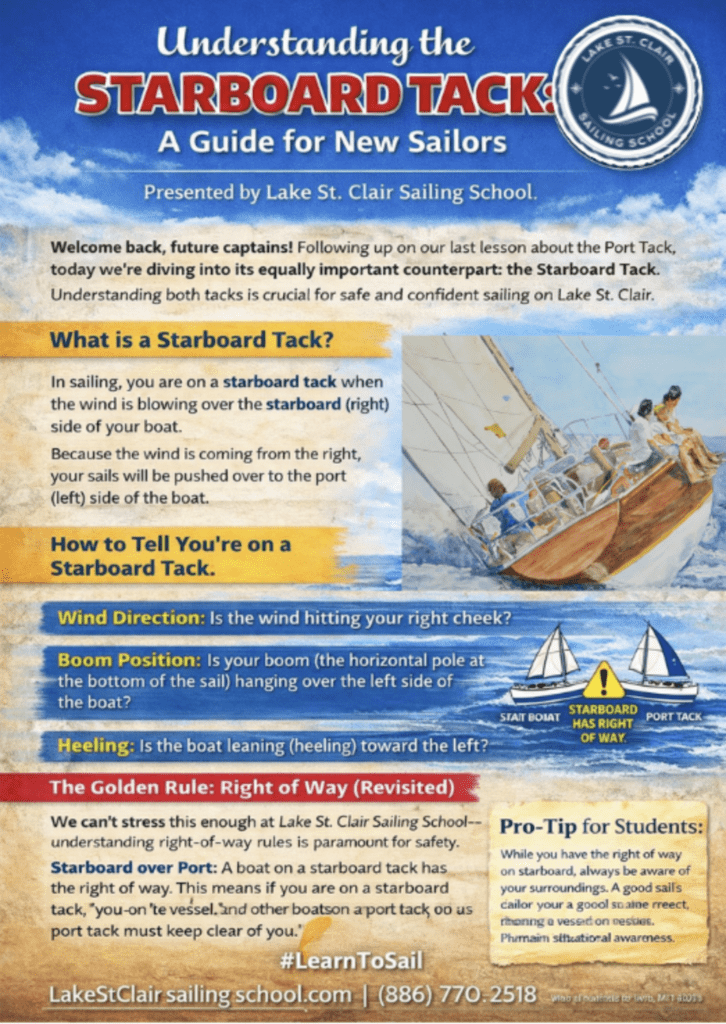
Starboard Tack Sailing: Essential Right-of-Way Rules for Lake St. Clair Sailors Learning to sail on Lake St. Clair means mastering fundamental sailing techniques and safety rules. After understanding the port tack, it's time to explore the starboard tack—a critical concept that every beginner sailor must know for safe navigation and right-of-way situations. What Is a Starboard Tack in Sailing? A starboard tack occurs when wind blows over the starboard side (right side) of your sailboat. When sailing on a starboard tack, the wind pushes your sails to the port side (left side) of the vessel. This sailing position is crucial because it determines your right-of-way status on the water. Understanding starboard versus port…
Starboard Tack
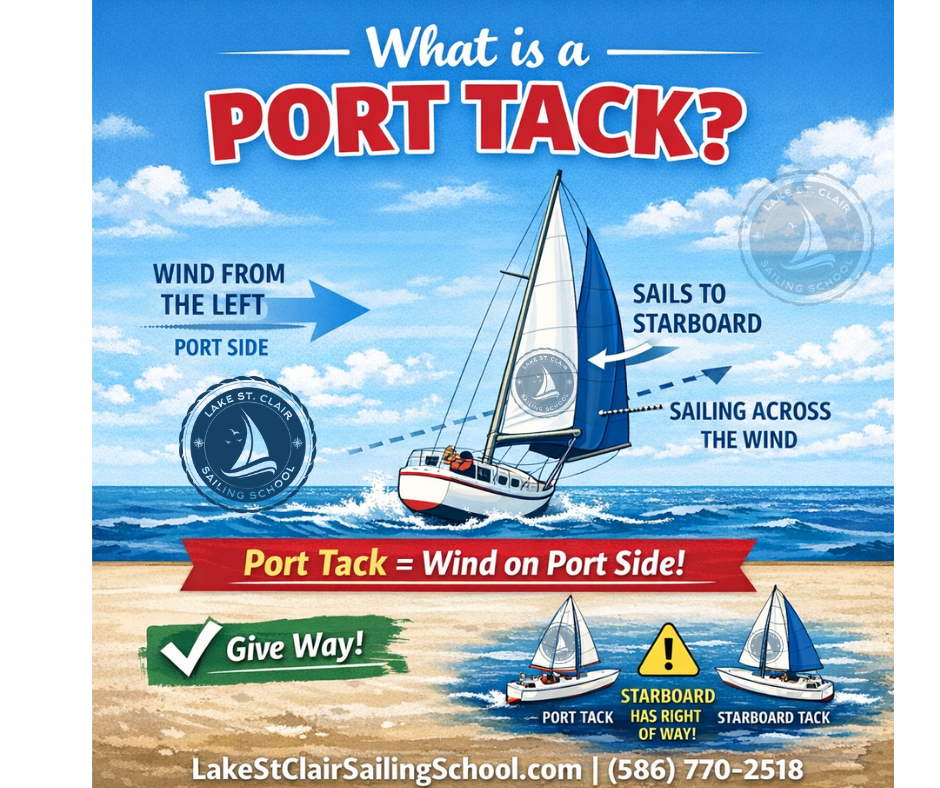
Understanding the Port Tack: A Guide for New Sailors Presented by Lake St. Clair Sailing School Welcome to the water! One of the first things you’ll learn in our ASA 101 Basic Keelboat course is how to describe where the wind is coming from in relation to your boat. At Lake St. Clair Sailing School, we move beyond "left" and "right" to use the proper nautical terminology: Tacks. Today, we’re breaking down the Port Tack. What is a Port Tack? Simply put, you are on a port tack when the wind is blowing over the port (left) side of your boat. Because the wind is coming from the left, your sails will naturally…
Understanding the Port Tack: A Guide for New Sailors
Visit Site New Podcast Episode: Sailing on Lake St. Clair We’re excited to share a new podcast episode featuring Lake St. Clair Sailing School in collaboration with American Sailing. In this episode, we talk all things sailing on Lake St. Clair—from how to get started with zero experience to earning ASA-certified sailing credentials, building confidence on the water, and discovering why Lake St. Clair is one of the best sailing destinations in the Midwest. Topics covered include: Learn-to-Sail programs for adults ASA 101, 103, 104 & advanced certifications Private lessons & group classes Sunset and leisure sails Sailing charters & on-the-water experiences The joy, freedom, and confidence that sailing brings Whether you’re dreaming…
New Podcast Episode: Sailing on Lake St. Clair
ASA 101 vs ASA 103 ASA 101 – Basic Keelboat Sailing Level: BeginnerFocus: Learning to sail safely during the day What you learn Points of sail Sail trim basics Tacking & jibing Steering and boat control Right-of-way rules Basic docking & mooring Knots and safety fundamentals Boat size Keelboats ~20–27 ft Conditions Daytime Fair weather Close to shore Outcome You can skipper or crew a small keelboat confidently Required prerequisite for ASA 103 ASA 103 – Basic Coastal Cruising Level: IntermediateFocus: Cruising and living aboard a larger sailboat What you learn Advanced sail trim & boat handling Anchoring techniques Reefing sails Coastal navigation basics Weather awareness Systems onboard (engine, electrical, water) Galley use…
ASA 101 vs ASA 103
ASA 101 is the Basic Keelboat Sailing certification from the American Sailing Association (ASA). It’s the foundational course for learning how to sail a keelboat safely and confidently. What you learn in ASA 101 Points of sail (close-hauled, close reach, beam reach, broad reach, run) Wind awareness & sail trim Tacking and jibing Basic docking & departure Right-of-way rules Knots & line handling Safety procedures and basic seamanship What you can do after ASA 101 Sail a keelboat (20–27 ft) in daytime, fair-weather conditions Handle the boat as skipper or crew Move on to ASA 103 (Basic Coastal Cruising) Who it’s for Complete beginners Anyone who wants a solid, internationally recognized sailing foundation…
ASA 101 is the Basic Keelboat Sailing certification from the American Sailing Association (ASA).